
Where Training, Certification, and Community Come Together
Join us in Denver, CO for in-person learning built for case management professionals, BITs/CARE teams, and campus partners supporting student safety and wellness. Attend the Summit, enroll in Pre/Post-Summit Training, or build the full week with both.
Customize your schedule, bundle to save, and gain practical tools you can apply immediately. Engage with industry leaders and expert speakers through keynotes, featured sessions, concurrents, and Community Conversations. With ATIXA’s Summer Symposium taking place at the same time and location, you can also collaborate with Title IX professionals and strengthen cross-campus partnerships.
Bundle your registrations and save!
This pre/post-Summit training features 8 NABITA certification courses. Registrations of two to four courses are eligible for a 15% discount, and five or more registrations qualify for a 25% discount. Upon checkout, select the Pay Later option and reach out to conference@nabita.org for discounts to be applied.
Designed as an a la carte event, the Case Management Summit offers the flexibility to choose the courses that best suit your needs. Whether you prefer to attend a single session or multiple, each course stands alone while complementing the others to provide a well-rounded learning opportunity. This tailored approach allows participants to focus on the areas most relevant to their roles, ensuring a personalized and impactful training outcome.
2026 Case Management Summit Schedule
If you’d like to download the full week’s schedule, click here.

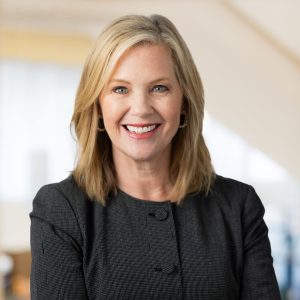
Case Management Standards and Best Practices
This two-day certification course is designed to enhance the skills of both new and experienced case managers and teams in alignment with NABITA’s best practices. It provides a valuable framework for case managers and BIT/TAT/CARE team members actively involved in case management to establish standard operating procedures.
With a comprehensive focus on the 24 NABITA Standards of Case Management, the course covers all aspects of non-clinical case management in the higher education setting. Participants will gain a deep understanding of the structural, procedural, and quality assurance and assessment aspects, ensuring a thorough grasp of the subject matter.
Click here to view Registration Rates
Faculty:

Case Management Support and Interventions
This two-day certification course, formerly known as Case Management Advanced Interventions, trains professionals who work one-on-one with individuals who are experiencing difficulty or are in distress to assess risk and provide appropriate intervention. Participants will learn how to assist in removing individuals’ barriers to success to increase holistic well-being. The course is highly beneficial for any professional in a support capacity who meets one-on-one with individuals who are experiencing difficulties, making it broadly applicable to many roles within educational environments.
The content in this course covers high-impact intervention techniques to change behavior, reduce harm, and engage students in goal setting. After course completion, participants will have a toolkit of skills and knowledge to help students improve their well-being and reduce risk including solution-focused techniques, harm-reduction methods, and motivational interviewing skills. These tools will equip participants to improve the outcomes of meetings with individuals facing challenges or needing support.
Click here to view Registration Rates

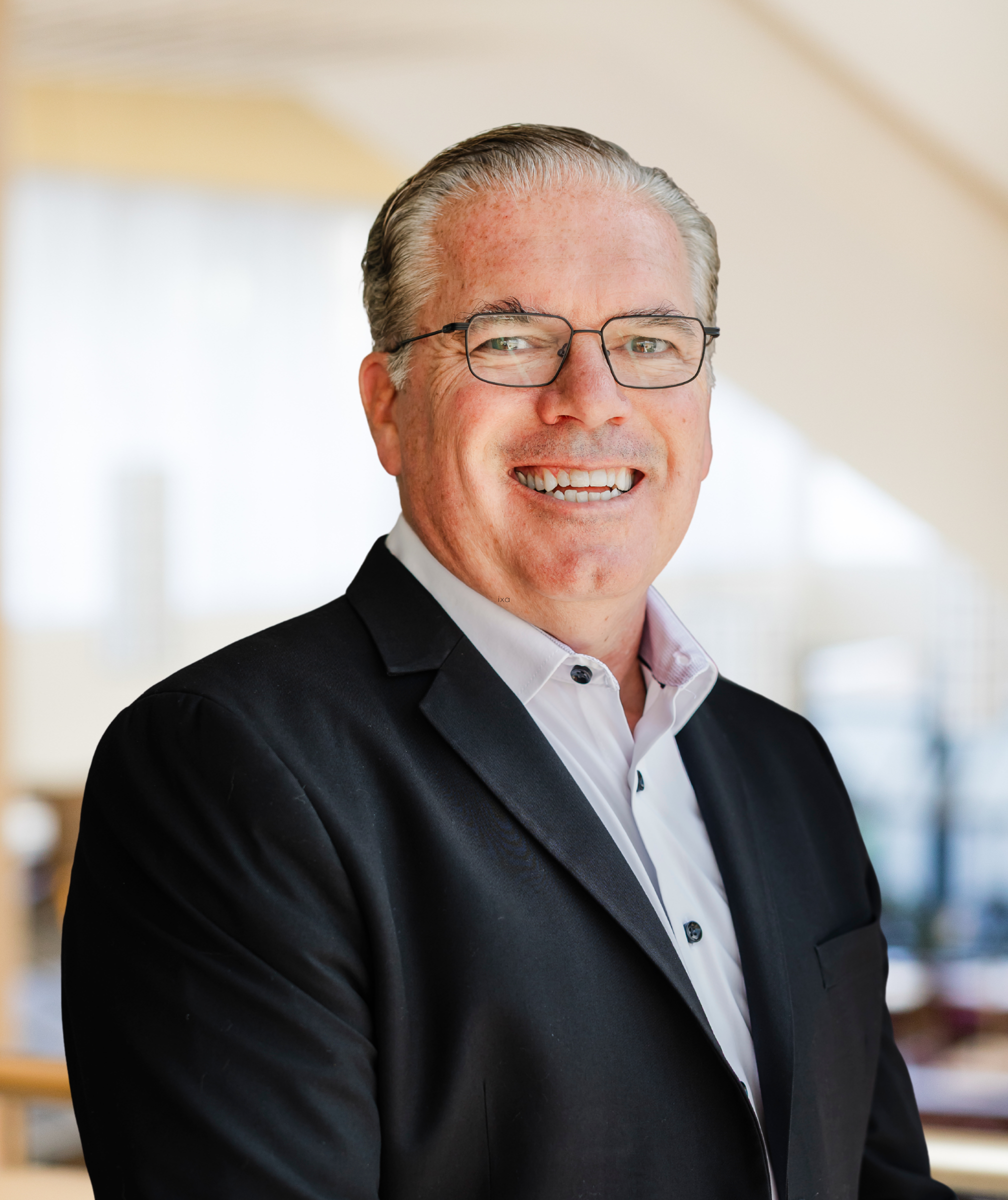
Structured Interview for Violence Risk Assessment
The SIVRA (Structured Interview for Violence Risk Assessment) is a research-based tool designed to deliver a consistent and objective evaluation of an individual’s risk of violence toward others. This assists Behavioral Intervention Teams (BITs) in proactively addressing the risk and protective factors that influence an individual’s willingness to engage in violence.
Originally developed in 2012, the current version of SIVRA taught in this course is an enhanced version featuring a refined assessment system focusing on 21 risk factors for violence, grounded in the most recent research. It includes an improved user guide, along with supplemental materials such as an interview template and suggested interview questions. Users familiar with the previous version will find the new tool better organized, with clearer descriptions of risk factors and easier scoring.
Click here to view Registration Rates
Faculty:

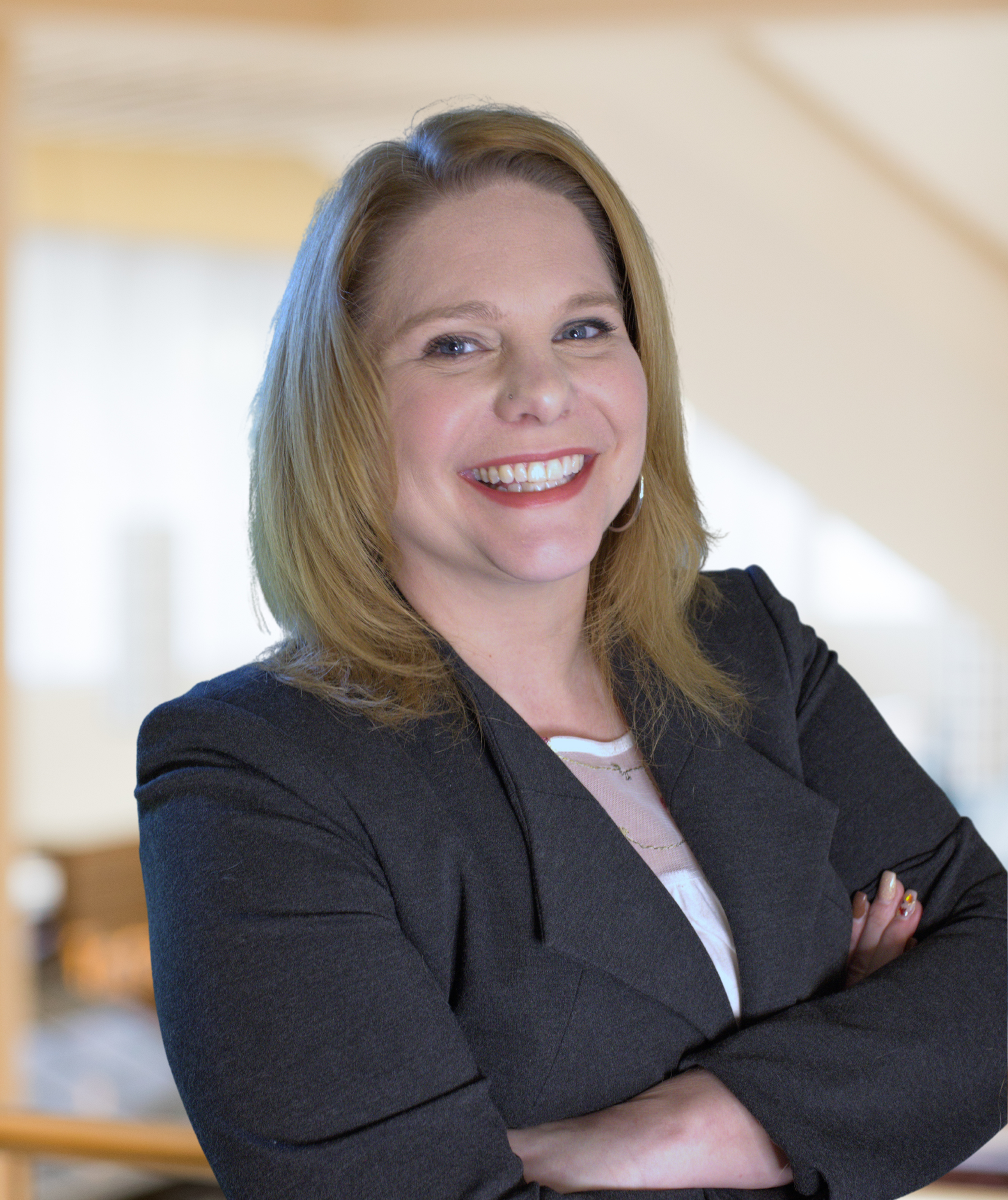
Behavioral Intervention Team Standards and Best Practices
This two-day certification course teaches NABITA’s 21 Standards for Behavioral Intervention Teams, which offer industry-leading best practices for effective BIT/TAT/CARE teams. Whether building a team or refining an existing one, this course will improve team performance based on NABITA’s standard operating procedures and protocols.
Discover the methodology behind defining a BIT/CARE/TAT team and team structure, including who should be on the team and what types of concerns the team should respond to. Participants will learn how to implement NABITA’s Risk Rubric for objective referrals, apply mandated assessments, and administer thorough interventions. Further insights will be offered into developing strategies for marketing and advertising the team. NABITA faculty members draw from their years of expertise, research, and literature in threat assessment, psychology, and law enforcement.
Click here to view Registration Rates

Registration Check-In
Join us to check in for the 2026 Case Management Summit. Meet with NABITA staff and take a sneak peek at the exhibitor tables.
Welcome Reception
Join us ahead of the opening keynote for a welcome reception. Light appetizers and drinks will be served.

Opening Keynote: Well-Being is Not a Department: Community-Centered Case Management and the Power of Connection
As student mental health concerns continue to rise, campuses are being challenged to move beyond siloed, office-specific responses to well-being. Student well-being is best understood as a shared, proactive responsibility shaped by coordinated care, early intervention, and campus-wide culture. While clinical services remain critical, non-clinical and student affairs professionals, particularly case managers and partners, are often the first and most sustained points of connection for students navigating distress, transition, and uncertainty.
This keynote explores how student affairs professionals contribute to risk reduction, well-being, and connection by modeling care, strengthening referral pathways, and committing to personal daily wellness practices. Through a community-centered lens, we will examine how power, positionality, and organizational culture influence student engagement and outcomes. From outreach emails and intake conversations to policy decisions and care team collaboration, participants will consider how routine practices shape students’ sense of safety, trust, and mattering. Attendees will leave with practical strategies for embedding connection into coordinated care systems and fostering resilient campus communities.
Featured Session A: Beyond the Checklist in Case Management
How can non-clinical case management in higher education move beyond a task-oriented checklist to foster meaningful student engagement?
This session examines the differences between transactional and transformational case management, exploring their effects on student outcomes, staff well-being, and institutional culture. Participants will learn practical strategies for adopting a strengths-based, student-centered approach that balances institutional expectations, capacity constraints, and the complex needs of students.

Featured Session A: Incorporating Racial Trauma Awareness in the Behavioral Intervention and Assessment Process
This presentation provides an overview of race-related trauma assessment and intervention in a non-clinical setting. Participants will develop skills in (1) defining racial trauma, (2) understanding the impact of these experiences on psychological and physical well-being, and (3) developing assessment and intervention strategies to support individuals affected by harm or stress relating to protected classes of race, color, or national origin under Title VI of the Civil Rights Act of 1964.
Concurrent Session 1
NABITA is soliciting program proposals for its Case Management Summit. The Call for Proposals closes on Friday, April 17th. Notifications of acceptance/rejection will go out electronically by Friday, April 24th.
- Concurrent sessions are 60 minutes long
- We are seeking sessions which present information in the following areas:
- Innovative case management practices or programs
- Research related to case management
- Assessment or interventions related to specialized populations
- Threat, crisis, or violence prevention, assessment, or intervention best practices
- Strategies for applying NABITA Standards of Case Management
- Selections will be based on the following criteria:
- Relevance to the topics of prevention, assessment, model programs, and case management
- Completeness, detail and professionalism of the proposal
- Evidence‐based, promising and innovative model programs/practices are welcome
- Engaging format, presenters and/or concepts
Concurrent Session 2
NABITA is soliciting program proposals for its Case Management Summit. The Call for Proposals closes on Friday, April 17th. Notifications of acceptance/rejection will go out electronically by Friday, April 24th.
- Concurrent sessions are 60 minutes long
- We are seeking sessions which present information in the following areas:
- Innovative case management practices or programs
- Research related to case management
- Assessment or interventions related to specialized populations
- Threat, crisis, or violence prevention, assessment, or intervention best practices
- Strategies for applying NABITA Standards of Case Management
- Selections will be based on the following criteria:
- Relevance to the topics of prevention, assessment, model programs, and case management
- Completeness, detail and professionalism of the proposal
- Evidence‐based, promising and innovative model programs/practices are welcome
- Engaging format, presenters and/or concepts
Summit Skills Lab
Step out of the lecture and into action. The Summit Skills Lab offers immersive, hands-on sessions where attendees break into small groups to work through real-world case studies, conduct assessments, and apply tools and strategies in a collaborative setting. Designed for skill-building and peer learning, these labs provide a unique opportunity to engage deeply with the material, exchange ideas with colleagues, and leave with practical takeaways ready to implement on campus.
Click here to learn more about Skills Lab.
Concurrent Session 3
NABITA is soliciting program proposals for its Case Management Summit. The Call for Proposals closes on Friday, April 17th. Notifications of acceptance/rejection will go out electronically by Friday, April 24th.
- Concurrent sessions are 60 minutes long
- We are seeking sessions which present information in the following areas:
- Innovative case management practices or programs
- Research related to case management
- Assessment or interventions related to specialized populations
- Threat, crisis, or violence prevention, assessment, or intervention best practices
- Strategies for applying NABITA Standards of Case Management
- Selections will be based on the following criteria:
- Relevance to the topics of prevention, assessment, model programs, and case management
- Completeness, detail and professionalism of the proposal
- Evidence‐based, promising and innovative model programs/practices are welcome
- Engaging format, presenters and/or concepts
Featured Session B: Clinical Skills in Violence Risk Assessment
Mental health professionals play a key role in effective violence risk assessment by applying their clinical skills to structured information gathering, purposeful questioning, and exploration of risk factors. This session connects clinical competencies with structured threat and violence risk assessment practices, including tools like NABITA’s Structured Interview for Violence Risk Assessment (SIVRA).
Participants will learn to leverage core clinical skills to develop high-quality questions that elicit accurate, relevant, and actionable information. The session focuses on transitioning from therapeutic exploration to targeted assessment of risk and protective factors. Attendees will gain confidence in conducting person-centered, trauma-informed violence risk assessments aligned with their professional training.
Featured Session B: What Do You Do, Exactly? Understanding and Amplifying the Lived Experiences of Critical Incident Case Managers
Discussions about behavioral intervention typically emphasize what is done, how it is done, and why it matters, but give little attention to who carries out the work. What can we learn from the lived experiences of staff members who engage in behavioral intervention or case management? How do they experience role stress? What do those experiences tell us about how to prepare the next generation of professionals to do this critical work on college campuses? What do their lived experiences teach us about the organizational systems and structures that surround and support this work?
A 2022 study explored the lived experiences of student affairs professionals who served as critical incident case managers at large public institutions of higher education. Participants had the opportunity to share their stories, experiences, and insights to enhance existing research and knowledge on case management and behavioral intervention. This presentation will provide an overview of the study, results, and recommendations, including how the work of critical incident case managers contributes to student well-being and success, how to support these key student affairs professionals, and the importance of this role to the future of student affairs in higher education.
Concurrent Session 4
NABITA is soliciting program proposals for its Case Management Summit. The Call for Proposals closes on Friday, April 17th. Notifications of acceptance/rejection will go out electronically by Friday, April 24th.
- Concurrent sessions are 60 minutes long
- We are seeking sessions which present information in the following areas:
- Innovative case management practices or programs
- Research related to case management
- Assessment or interventions related to specialized populations
- Threat, crisis, or violence prevention, assessment, or intervention best practices
- Strategies for applying NABITA Standards of Case Management
- Selections will be based on the following criteria:
- Relevance to the topics of prevention, assessment, model programs, and case management
- Completeness, detail and professionalism of the proposal
- Evidence‐based, promising and innovative model programs/practices are welcome
- Engaging format, presenters and/or concepts
Community Conversations

Featured Session C: The Cost of Caring
If your work involves holding space for others, you’ve likely felt the weight of that responsibility physically, mentally, and emotionally. This session offers a grounded approach to energy management, specifically designed for professionals who help others.
Through reflection, discussion, and practical tools, we’ll explore how to track your energy patterns, reduce drain, and make small, powerful shifts to protect your well-being. You’ll leave with actionable strategies and resources you can use immediately to restore balance and sustain yourself in your daily work.
Featured Session C: What Do We Do Now? Case Management in the Aftermath
When a traumatic incident like a student death, an act of violence, or a serious safety concern impacts a campus, the work of case managers often begins after the initial crisis ends. This session highlights the critical role case managers play in post-incident response. It will discuss how they serve as a consistent point of care, coordination, and follow-through for members of the campus community affected by the trauma.
The session will also examine how case managers collaborate within Behavioral Intervention Teams (BITs) and campus partners to align academic, mental health, and operational supports. By emphasizing practical, real-world strategies for integrating case management into every phase of incident response, participants will explore how case managers:
- Support transparent and compassionate communication
- Identify and monitor populations at risk
- Facilitate individual and group debriefings
- Ensure continuity of care after the initial incident

Closing Keynote: Elevating Case Management from Individual Casework to Strategic Support Systems
Case management in higher education is often viewed as a series of one-on-one interactions with students rather than as an intentionally designed infrastructure that supports student needs and advances institutional goals. This closing keynote invites practitioners to reframe how case management is understood and valued on their campuses, offering practical strategies to elevate the work through influencing senior leaders, advocating for sustainable resourcing, developing policy, and aligning staffing, processes, and resources.
By adopting a systems-level approach, institutions can build transformational case management models that promote sustainability, reduce the burden on individual case managers, and ensure greater consistency of care while still responding to the unique needs of students. Participants will be encouraged to move beyond individual-level practice and toward a scalable, student-centered model that strengthens institutional effectiveness, supports well-being, and reshapes campus understanding of what it means to help students thrive.
Faculty:
Collaboration and Support: Addressing the Intersection of BIT, Conduct, and Disability Support Workshop
This interactive, four-hour workshop assists practitioners in developing standardized yet individualized approaches that align with best practices and provide effective support.
Given the shared goals of student development, access, support, accountability, and community safety, several teams, including BIT/TAT/CARE teams, student conduct, and disability support, often address overlapping concerns. This overlap emphasizes the need for discussion and planning on how these areas intersect, especially regarding student behavior and conduct, hospitalizations, and returning from a leave of absence. This workshop trains practitioners to recognize overlap and provide collaborative, supportive measures between teams.
Click here to view Registration Rates
Non-Clinical Assessment of Suicide (NAS)
This one-day certification course teaches research-based practices to assess, intervene, and manage suicide risk for students, both on campus and virtually. Using NABITA’s Non-Clinical Assessment of Suicide (NAS) tool, participants will learn how to triage the overall risk for suicide an individual poses. The tool relies on risk and protective factors to help non-clinical professionals conduct assessments.
NABITA’s expert faculty members will train participants in how to identify an individual who may be experiencing suicidal ideation, strategies for asking about suicide in a one-on-one appointment, and in-depth application of NAS as a suicide assessment tool. Additionally, participants will learn how to make an effective referral to clinical mental health services and deploy appropriate interventions based on the level of risk assessed using NAS.
Click here to view Registration Rates
Faculty:
Strategies for Leading a Behavioral Intervention and Threat Assessment Team Workshop
This practical workshop is designed for leaders of behavioral intervention or threat assessment teams looking to lead their teams more effectively. Packed with actionable strategies, it helps team leaders streamline operations and align their teams with NABITA Standards.
Participants will learn tips to prepare for meetings, set clear agendas, lead discussions, and ensure productive follow-ups. The session also covers how to conduct annual assessments and reviews to align with national standards. For new leaders and those seeking to refine operations, this workshop provides the tools to bolster confidence and elevate the team’s performance. Experienced facilitators will share real examples, best practices, and interactive learning opportunities that practitioners can apply immediately.
Click here to view Registration Rates
Faculty:
Screening Tool for Risk Assessment of Narrative Data (STRAND)
Access to online communication and rising emotional health challenges have led to a significant uptick in written and narrative communication that could be perceived as aggressive and threatening. BIT/CARE and BTAM teams are often tasked with evaluating the risk level and potential for violence present in narrative content.
NABITA’s Screening Tool for Risk Assessment of Narrative Data (STRAND) is a comprehensive tool designed to evaluate the risk of violence evident in an individual’s narrative content, including social media posts, class writings, journals, blog posts, video narratives, and more. This training certifies participants in using STRAND and is NABITA’s recommended training on the tool.
Click here to view Registration Rates
Call for Proposals
NABITA is soliciting program proposals for its Case Management Summit. The Call for Proposals closes on Friday, April 17th. Notifications of acceptance/rejection will go out electronically by Friday, April 24th.
- Concurrent sessions are 60 minutes long
- We are seeking sessions which present information in the following areas:
- Innovative case management practices or programs
- Research related to case management
- Assessment or interventions related to specialized populations
- Threat, crisis, or violence prevention, assessment, or intervention best practices
- Strategies for applying NABITA Standards of Case Management
- Selections will be based on the following criteria:
- Relevance to the topics of prevention, assessment, model programs, and case management
- Completeness, detail and professionalism of the proposal
- Evidence‐based, promising and innovative model programs/practices are welcome
- Engaging format, presenters and/or concepts
Summit Skills Lab Topics
Step out of the lecture and into action. The Summit Skills Lab offers immersive, hands-on sessions where attendees break into small groups to work through real-world case studies, conduct assessments, and apply tools and strategies in a collaborative setting. Designed for skill-building and peer learning, these labs provide a unique opportunity to engage deeply with the material, exchange ideas with colleagues, and leave with practical takeaways ready to implement on campus.
Using the NABITA Standards Assessment Tool, participants will audit a mock case management program to evaluate its alignment with NABITA’s Standards for Case Management. This exercise sharpens participants’ evaluation skills and provides a replicable process for auditing programs at their own institutions.
Ideal for staff working in or supervising established case management services
Through immersive, guided practice, participants will create a strategic marketing plan that includes website development, marketing materials, and training outlines. The lab equips participants with ready-to-implement strategies to enhance community education and outreach.
Ideal for Case Managers and BIT/CARE team members
This lab equips participants with practical skills to set impactful goals and evaluate their success. Participants will create a strategic assessment plan, complete with well-defined program objectives and a structured framework for measuring results.
Ideal for staff working in or supervising established case management services or on BIT/CARE teams
Participants will analyze real-world case studies involving students who pose a risk of harm to self and others. Participants can directly apply behavioral intervention and case management strategies to assess risk and formulate support and response plans.
Ideal for Case Managers and BIT/CARE team members
Using real-life case examples, participants will apply the NABITA Risk Rubric to assess risk levels and determine appropriate intervention strategies. The session reinforces practical application and sharpens risk assessment skills for those familiar with the Risk Rubric.
Ideal for Case Managers and BIT/CARE team members
Drawing on the NABITA Standards for Case Management, this lab guides participants in drafting a custom mission statement, scope of services, and outreach plan tailored to their institution. This process enhances operational clarity and consistency, providing participants with concrete planning documents.
Ideal for staff working in or supervising established case management services or on BIT/CARE teams
Location & Hotel
The Summit as well as the pre-and post-Summit courses will be held on-site at the Grand Hyatt Denver located at 1750 Welton Street, Denver, Colorado, 80202. Contact the hotel directly at 303-295-1234 to inquire about pricing and availability of rooms as part of our room block (group code: G-TNGC). Click here to reserve your room now.
NABITA cannot make special arrangements or assist in capturing discounted room rates post room block closing date of May 15, 2026 or by sell out.
Valet parking rates are:
- Day use – $30.00
- Overnight Parking – $59.00
Self-parking rates are:
- Day use – $20.00
We acknowledge that our event is being held on the traditional lands of the Cheyenne, Arapaho, and Ute People. NABITA pays our respects and honors the land’s indigenous past, present, and future caretakers.
Meals
NABITA will provide continental breakfast each morning, coffee and tea throughout the day, and an afternoon snack each day. Lunch and dinner each evening will be on your own.
Attendee Reception
The attendee reception will be held on June 8, 2026 from 4:30pm-5:30pm. Travel companions are welcome to attend as well.
Case Management Summit Scholarships
Scholarships are awarded through an application-based selection process for certification courses. Selected recipients must be able to provide their own transportation, lodging, and meals. There will be no virtual attendance options.
Applications for Case Management Summit scholarships close on May 1, 2026. Award decisions will be communicated to selected applicants on May 8, 2026.
Consultation Corner
Don’t miss your chance to meet 1-1 with our experts at ‘Consultation Corner’! When our conference app, Whova, goes live before the Case Management Summit, attendees will have the opportunity to schedule an exclusive 1-1 meeting with NABITA and ATIXA experts.

Sponsorships & Exhibitors
Sponsors can engage with attendees and form partnerships that extend beyond the conference. For more information on sponsor and exhibitor opportunities, please click here to view our brochure. For questions, please reach out to lindsay.marks@nabita.org.
Affinity and Community Groups
We are excited to connect attendees through Affinity and Community Groups during NABITA’s Case Management Summit! These groups provide opportunities for attendees to foster connections, engage in networking, and share valuable insights. Applications are now open. Please click here to select the groups you are most interested in attending and apply to be a group facilitator.
Case Management Summit FAQs
For information on directions and transportation to the Grand Hyatt Denver, click here.
Denver International Airport
Distance from Hotel – 25 miles, Drive Time – 36 minutes
Valet parking rates are:
- Day use – $30.00
- Overnight Parking – $59.00
Self-parking rates are:
- Day use – $20.00
Courses will be held on-site at the Grand Hyatt Denver located at 1750 Welton Street, Denver, Colorado, 80202. Contact the hotel directly at 303-295-1234 to inquire about pricing and availability of rooms as part of our room block (group code: G-TNGC).
NABITA cannot make special arrangements or assist in capturing discounted room rates post room block
closing date of May 15, 2026 or by sell out.
NABITA will provide continental breakfast each morning, a mid-morning coffee/tea break, and an afternoon snack each day. Lunch and dinner each evening will be on your own.
Yes, discounts are available.
Registering for multiple courses or multiple participants is a great way to save. Registrations of two to four courses are eligible for a 15% discount, and five or more registrations qualify for a 25% discount.
Please create your order, click the “Pay Later” option upon checkout, and email conference@nabita.org to request discounts be applied.
NABITA understands that circumstances change, and events may arise that prohibit your ability to attend training after you have registered. View our In-Person Cancellation Policy here.
NABITA Member Training Rates:
Take advantage of our Early Bird Pricing to secure your spot at a reduced rate until typically 10 weeks prior to the event. After the Early Bird pricing ends, our Regular Pricing takes effect, typically available up to 2 weeks before the event begins. Last Chance Pricing is your final opportunity to register, typically during the last 2 weeks before the event start date
Case Management Summit:
- Early bird – $383
- Regular – $422
- Last chance – $460
One-day Higher Education Courses
- Early bird – $704
- Regular – $781
- Last chance – $866
Two-day Higher Education Courses
- Early bird – $1,248
- Regular – $1,384
- Last chance – $1,512
One-day K-12 Courses
- Early bird – $424
- Regular – $470
- Last chance – $517
Workshops
- Early bird – $424
- Regular – $470
- Last chance – $517
NABITA Non-Member Training Rates:
Case Management Summit:
- Early bird – $499
- Regular – $549
- Last chance – $599
One-day Higher Education Courses
- Early bird – $829
- Regular – $919
- Last chance – $1,019
Two-day Higher Education Courses
- Early bird – $1,469
- Regular – $1,629
- Last chance – $1,779
One-day K-12 Courses
- Early bird – $499
- Regular – $554
- Last chance – $609
Workshops
- Early bird – $499
- Regular – $554
- Last chance – $609
Multi-course discounts are available. Please create your order, click the “Pay Later” option upon checkout, and email conference@nabita.org to request discounts be applied.
Applicants must be able to provide their own transportation, lodging, and meals. There will be no virtual attendance options.
Scholarships for the Case Management Summit will close on May 1, 2026, and decisions will be sent on May 8, 2026.
Apply for Scholarship